
Inside the 5 Stages of a Water Damage Restoration Job
The IICRC S500 water damage restoration process explained, inspection, extraction, drying, cleaning, restoration. GTA service.
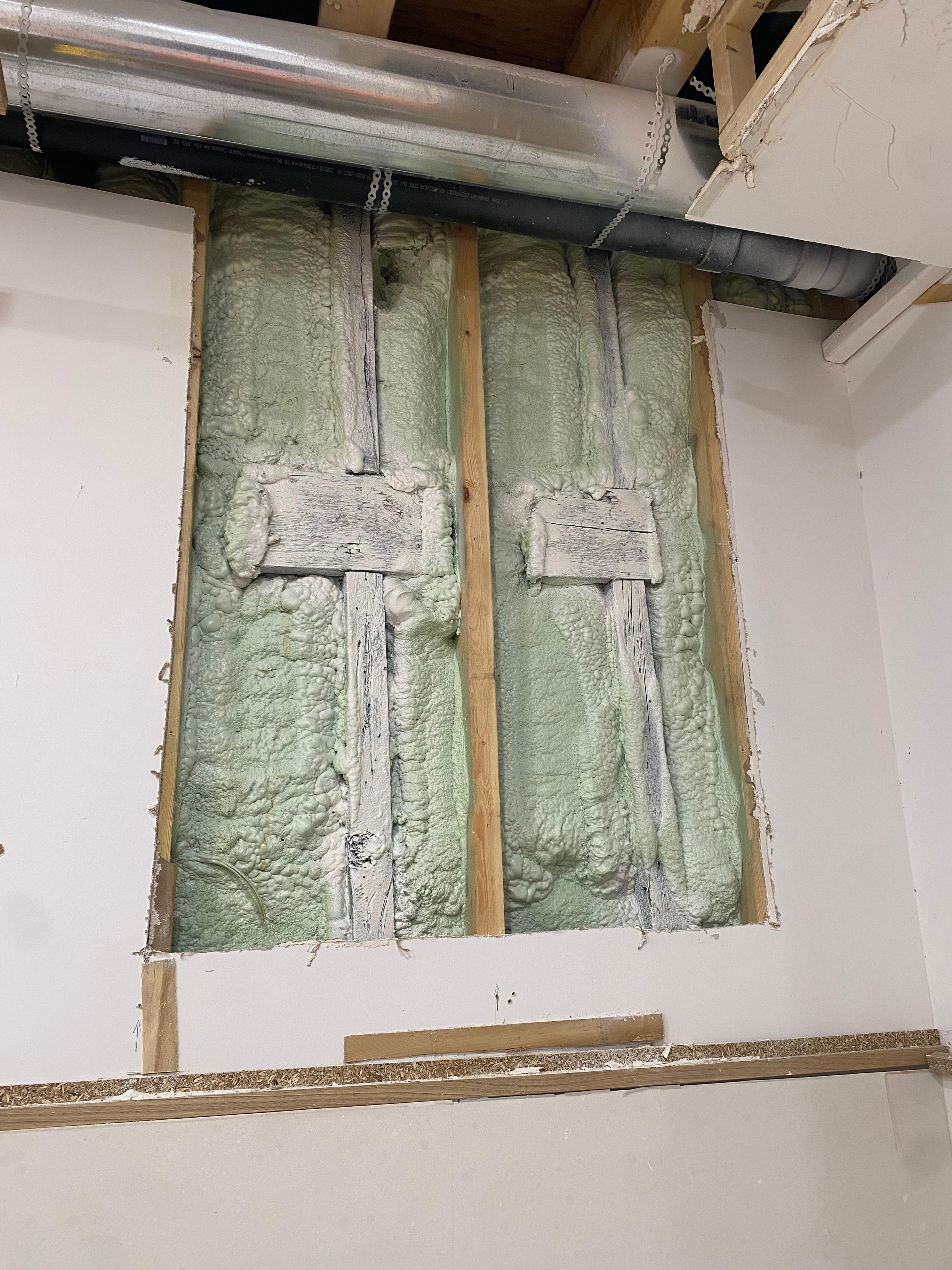
Every reputable water damage restoration job in the GTA follows the same five-stage process defined by the IICRC S500 standard. Knowing what each stage involves, and how long it takes, helps you tell the difference between a thorough crew and a company cutting corners. This guide walks through each stage in order, with realistic timelines for a typical Toronto basement flood.
Why the IICRC S500 Standard Matters
The IICRC S500 Standard for Professional Water Damage Restoration is the document insurance adjusters reference when reviewing claims, and what restoration technicians are tested on for IICRC certification. It defines water categories, drying targets, equipment placement formulas, documentation requirements, and the order in which work must happen. A crew that follows S500 produces a job that holds up to insurance scrutiny and to inspection 90 days later. A crew that does not is gambling with your home and your claim.
The five stages below are the S500 process. Skip any of them, or do them out of order, and you create the conditions for mould, hidden structural damage, or a denied claim.
Stage 1: Inspection and Water Classification
Before any equipment comes out of the truck, the crew documents what happened and what kind of water they are dealing with. IICRC S500 defines three water categories that drive everything else:
- •Category 1 (clean water): supply line breaks, rainwater through a roof, fresh appliance leaks. Poses no immediate health risk.
- •Category 2 (grey water): dishwasher or washing machine discharge, toilet overflow without solids, water that has been sitting for more than 48 hours. Contains contaminants and can cause illness if ingested.
- •Category 3 (black water): sewer backup, river or storm flooding, water containing solids. Carries pathogens. Requires PPE, biocide, and contaminated material disposal.
Classification determines what gets cut and what gets dried. Category 1 drywall above the floodline can be dried in place. Category 3 drywall comes out, period. The crew also assigns a damage class (1–4) based on how much porous material is wet, which determines drying equipment quantity.
Inspection includes thermal imaging across walls and ceilings, pinless and pin moisture meters on every affected material, and a full photographic record for the insurer. For pre-1990 GTA homes, this is also when asbestos testing happens before any drywall, plaster, or vermiculite insulation is disturbed.
Time: 1–3 hours on site for the initial inspection.
Stage 2: Water Extraction
Every gallon of standing water removed mechanically is a gallon you do not have to evaporate later. Truck-mounted extractors pull 100+ gallons per minute and can lift water out of carpet padding through the carpet itself. Submersible pumps handle deep flooding. Portable extractors handle confined spaces.
Extraction is what separates a 5-day drying job from a 10-day one. A crew that shortcuts extraction, relying on shop vacs or skipping carpet padding, doubles the drying time and the equipment cost.
For Category 3 water, extraction also includes removal of any contaminated porous materials, carpet, padding, baseboards, drywall up to a flood cut line, that cannot be safely dried.
Time: 2–6 hours for a typical basement flood.
Stage 3: Drying and Dehumidification (Where the Real Work Happens)
This is the longest, most equipment-intensive stage. Commercial axial air movers create high-velocity airflow across wet surfaces to accelerate evaporation. LGR (Low-Grain Refrigerant) dehumidifiers pull the resulting water vapour out of the air before it can re-condense onto cooler surfaces.
IICRC S500 calls for one air mover per 10–16 linear feet of wet wall. A typical Toronto basement flood gets 6–10 air movers and 1–3 LGR dehumidifiers running 24/7 for 3–5 days. The crew checks moisture readings daily and adjusts equipment placement based on what is drying fastest and what is lagging.
The science behind this is psychrometry, how temperature, humidity, and airflow interact. The simple version: warm air holds more moisture, so the crew may add controlled heat. Lower humidity creates a steeper evaporation gradient, so dehumidifiers must keep up with the moisture being released by the air movers. Done right, structural materials hit the IICRC dry standard in 3–5 days. Done wrong, you get a basement that smells dry but has wet insulation behind the drywall, and mould 30 days later.
Time: 3–5 days for a clean-water basement; 5–7 days for a finished basement; up to 10 days in extreme humidity.
Major Water Damage in Your GTA Home?
Truck-mounted extraction, commercial LGR dehumidification, daily moisture monitoring, and direct insurance billing. IICRC Certified, Baeumler Approved. Call (416) 474-6364.
Stage 4: Cleaning, Sanitizing, and Antimicrobial Treatment
Once the structure hits dry standard, the crew cleans every affected surface and applies EPA-registered antimicrobials to porous materials that were wet. For Category 2 and 3 water, this stage is mandatory and aggressive: HEPA vacuuming to capture airborne particulates, biocide application on framing and subfloor, and removal of any salvaged materials that show staining or odour after drying.
For Category 1 water that was dried within 24 hours, cleaning may be lighter, but a preventive antimicrobial application on framing is still worth doing because spore counts inside wall cavities are always elevated after a water event.
If visible mould is present at this stage, the job transitions from water damage restoration into professional mould remediation under the IICRC S520 standard, which adds containment, negative-air machines, and PPE protocols.
Time: 4–8 hours, often combined with the start of demolition.
Stage 5: Restoration and Reconstruction
Putting the building back together. New drywall (replacing what was cut during flood cuts), insulation in any cavities that were stripped, paint, trim, baseboards, flooring, cabinetry. For Category 3 jobs, this often includes new subfloor where the original was contaminated.
For pre-1990 GTA homes, this stage has to be coordinated with any asbestos abatement that came up during inspection. Walls do not get rebuilt over abated cavities until the abatement crew signs off.
Reconstruction is the most variable stage in length and cost, small flood cuts and minor repaints can be done in 2–3 days; full basement rebuilds with cabinetry and finished ceilings can run 3–4 weeks.
Time: 3 days to 4 weeks depending on scope.
How Long Each Stage Takes in a Typical GTA Basement Flood
For a moderate finished-basement flood from a clean-water source (burst pipe, supply line failure):
- •Day 1: Stages 1 & 2, inspection, classification, extraction, equipment setup.
- •Days 2–5: Stage 3, drying with daily moisture monitoring.
- •Day 6: Stage 4, cleaning and antimicrobial.
- •Days 7–14: Stage 5, reconstruction.
Sewage backups and homes with hidden mould add 5–10 days for containment and remediation. Insurance approvals can add another 2–5 days between mitigation and reconstruction. The Insurance Bureau of Canada publishes guidance on what GTA homeowners can expect through the claims process.
Bottom Line
IICRC S500 exists because cutting corners on water damage produces predictable failures: hidden mould, recurring stains, denied insurance claims, and structural problems six months later. A crew that documents every stage, measures every material, and follows the order is what you want walking into your home. For our complete service overview, see professional water damage restoration in the GTA.